
What Happens After You Call for Water Damage Restoration—and When Cost Estimates Get Real

The crew is at the door, the water has stopped or at least slowed, and now everyone is looking for the same thing: a clear answer. Is this a straightforward cleanup, or has the moisture already moved into wall cavities, cabinets, flooring, a shared wall, or even the unit next door? In that first walkthrough, we do not help anyone by guessing. We help by finding the real scope before the wrong materials get dried, removed, or overlooked.
If you searched for water damage restoration near you in Los Angeles and already made the call, this is the part most pages skip. We wrote this for homeowners and small property managers who want to know what should happen once the crew arrives, what comes after emergency water removal, and when a repair cost range becomes solid enough to trust. What we will not do is pretend an exact price or final timeline can be locked in before inspection.
If the crew is arriving soon or you are still sorting out the next step, Blue Waves Restoration provides 24/7 water damage inspections, moisture tracking, and emergency response across Los Angeles.
That matters whether the loss came from a supply-line leak, burst pipe, appliance overflow, roof intrusion, AC issue, or a larger water event. In occupied homes and small multifamily buildings across Los Angeles, visible water is often only part of the problem. Shared walls, older materials, layered flooring, insulation, and HVAC pathways can all change the plan, which is why phone quotes have limits from the start.
How the work usually unfolds once help arrives
A competent restoration visit should feel like a sequence, not a scramble. We move from verification to stabilization, then from extraction to moisture tracking, then into drying, material decisions, documentation, and rebuild planning. That order matters because every later decision, including cost, gets better once the initial findings are documented instead of assumed.
The first walkthrough is about scope, not speed for its own sake
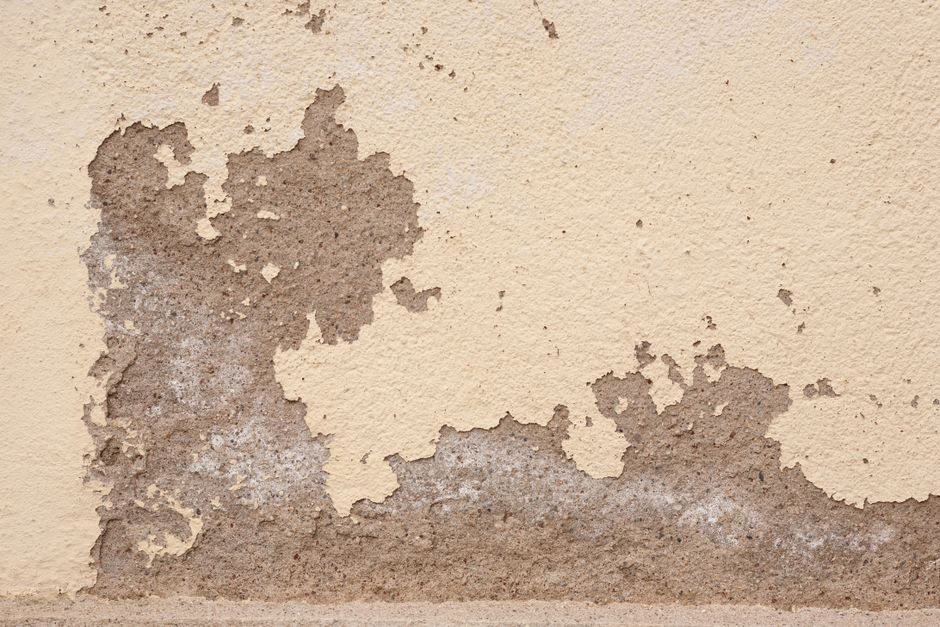
When we arrive, the first job is to understand the loss before we start promising outcomes. We need to know where the water came from, whether the area is safe, what materials are affected, and how far the moisture may have spread beyond what is obvious. In Los Angeles homes, that can mean checking behind vanity walls, under laminate, around kitchen toe-kicks, inside shared partitions, or near ceiling cavities that feed into another room.
- Identify or confirm the source of the water and whether it is active.
- Check safety concerns such as electrical exposure, slip hazards, and structural softness.
- Note the likely water category and whether contamination changes cleanup requirements.
- Walk all affected and adjacent rooms, not just the wettest visible spot.
- Ask about timing, what was moved already, and whether nearby units or shared walls may be involved.
- Consider occupancy needs so the plan works for a lived-in home or tenant-occupied property.
Stabilizing the property comes before deeper restoration
Once the immediate picture is clearer, the next step is to stop ongoing damage and protect what can still be protected. That may mean shutting off a water source, isolating a problem area, moving vulnerable contents, or protecting unaffected floors and traffic paths. In a small multifamily setting, it can also mean checking whether water traveled downward or sideways before the damage spreads quietly into another unit.
- Stop or isolate the source when possible.
- Protect contents, furniture, and unaffected finishes.
- Address immediate safety issues and access constraints.
- Set up temporary protection to limit further spread during the first phase of work.
Extraction is urgent, but it is not the whole job
Fast water removal matters because standing water keeps feeding materials that are still absorbent. Carpet pad, engineered wood, baseboards, cabinets, drywall bottoms, and subflooring can all continue taking on moisture while the clock is running. But extraction only handles the water we can physically remove. It does not prove the structure is dry, and it does not tell us what is trapped behind finishes.
- Extraction removes bulk water quickly and reduces immediate saturation.
- It helps limit additional damage to floors and contents.
- It does not confirm wall cavities, insulation, or subfloors are dry.
- It does not replace monitoring, documentation, or material-by-material decisions.
Hidden moisture is where shallow cleanup usually fails
This is the phase that separates a real restoration response from a surface-level cleanup. After visible water is removed, we start moisture mapping. That means using inspection methods and readings to understand where water migrated, how deeply materials absorbed it, and which assemblies are still holding moisture out of sight. A floor can look much better after extraction and still be wet underneath. A cabinet face can seem fine while the back panel and wall behind it are not. A ceiling stain may be only the visible edge of a much wider damp area.
In older Los Angeles housing stock and mixed-material interiors, hidden spread is common enough that we never treat the visible boundary as the final one. If a bathroom overflow wicked into baseboards, if a kitchen leak traveled under cabinets, or if an upstairs loss moved into a shared wall, the success of the whole job depends on finding that now rather than after paint and patching.
- Wall cavities and insulation
- Under flooring and subfloor transitions
- Inside or behind cabinets and vanities
- Ceiling pockets and areas below the source
- Baseboards, trim lines, and shared walls
- HVAC-adjacent pathways where moisture may migrate
Containment protects the dry areas and the people living there
Once the wet footprint is clearer, we think about control. In an occupied home, restoration should not turn into unnecessary disruption. In a duplex, condo, or small apartment building, it also should not allow moisture, dust, or demolition debris to spread into clean areas. Containment can be simple or more involved depending on the loss, but the goal is the same: separate the work zone from the rest of the property while protecting what is not affected.
- Protect unaffected rooms, flooring, and pathways.
- Separate wet work zones from occupied areas when needed.
- Reduce cross-contamination during tear-out or drying adjustments.
- Adapt the setup for children, pets, tenants, or limited-access buildings.
Drying happens over time, not in one equipment drop
This is the point many owners find frustrating, because the emergency part feels like it should be over once the standing water is gone. In reality, drying is a monitored process. Equipment placement, airflow, humidity control, and daily or near-daily readings matter more than how quickly machines were unloaded. We set equipment based on the materials involved and the way moisture is behaving, then we verify progress instead of assuming the space is improving because it sounds loud and looks busy.
Some materials dry in place. Some do not. Some look stable on day one and declare themselves on day two when swelling, delamination, or trapped moisture becomes clearer. That is why a trustworthy restoration timeline usually tightens only after the first set of readings and the early drying response are documented.
- Expect equipment to remain for more than a day in many losses.
- Expect return visits for moisture checks and drying-log updates.
- Expect equipment changes if certain areas dry faster or slower than planned.
- Expect the plan to reflect occupancy needs, noise limits, and building access.
Removal versus drying is a material decision, not a guess
Homeowners often want the fastest answer here: what can stay and what has to go? The honest answer is that some of those calls become much clearer after inspection and initial drying data. We look at the water source, the exposure time, the type of material, how deeply moisture traveled, and whether the material is responding well. Drywall may be salvageable in one room and not in another. Cabinet components may dry unevenly. Flooring may cup, separate, or trap moisture underneath even after the surface feels dry. Insulation may need removal if it has lost integrity or is holding moisture where it cannot dry effectively.
This is also where full-service coordination matters. A crew that only thinks about extraction may stop too early. We approach water losses as restoration problems, which means considering what happens next: drying, mold prevention, selective demolition if needed, and readiness for reconstruction. That is the difference between a quick-looking result and a durable one. If you need emergency response and a full process team, our water damage restoration service in Los Angeles is built around that sequence.
Documentation should start on day one
Good documentation is not paperwork for later. It is part of the job from the first visit. Photos, readings, affected-area notes, water-category observations, and drying updates protect restoration decisions because they create a record of what was actually found and how conditions changed. They also make conversations with insurers, adjusters, owners, and tenants much easier because the scope is tied to something measurable rather than memory.
- Initial photos of affected and adjacent areas
- Moisture readings and mapped wet zones
- Notes on source, timing, and category of water
- Equipment logs and progress updates during drying
- Records supporting material removal or dry-in-place decisions
When does the cost range stop being guesswork?
This is the question nearly everyone asks, and it is a fair one. We can sometimes discuss broad possibilities early, especially if the source and affected materials are obvious. But a number becomes meaningfully more reliable only after the on-site inspection is done, the wet areas are mapped, immediate stabilization is underway, and the initial drying plan is known. Before that, a low price can be false comfort and a high price can be unnecessary fear.
In other words, credible pricing follows scope. If cabinets are involved, if moisture moved under flooring, if a shared wall is affected, or if selective tear-out is needed to dry properly, the cost picture changes. The right time to trust a range is when it reflects what the inspection actually showed, not just what the phone description suggested.
- The confirmed source and likely duration of exposure
- The number of rooms and assemblies actually affected
- Moisture readings from visible and hidden areas
- Whether materials can dry in place or need removal
- Containment, access, and occupancy constraints
- The rebuild scope that becomes visible after mitigation findings
Rebuild planning should begin before the drying phase is forgotten
Mitigation and reconstruction are related, even though they are not the same thing. Once the drying path is clearer, the rebuild conversation can start taking shape: what finishes were removed, what underlying materials need repair, what can be matched, and whether any adjacent areas need attention because the scope expanded during drying. This is especially important in homes with custom finishes or in small multifamily properties where timing affects tenants and adjacent units.
We prefer a process where the handoff is deliberate, not improvised. If selective demolition was necessary, someone should already be thinking about what has to happen before walls close back up or flooring goes back down. Our rebuild and remodeling work helps keep that transition organized instead of leaving owners to coordinate the next phase from scratch.
What “dry enough to move forward” actually means
Dry enough does not mean the room feels less damp to the touch or the stain looks lighter. It means the drying goals for the affected materials have been met well enough to move into repair without trapping unresolved moisture behind new finishes. That judgment should be tied to readings, documented progress, and a confirmed scope of what was dried, removed, or opened during the job.
Before reconstruction begins, we want clarity on what has reached target dryness, what was replaced versus preserved, and whether any adjacent or shared areas need one more check. That discipline is one of the best ways to avoid cosmetic-only fixes that look done but fail later.
Keep watching the property after the obvious mess is gone
Post-loss vigilance matters in Los Angeles, especially when people are eager to get back to normal after a leak, overflow, or storm-related intrusion. If the next rain exposes a missed roof pathway, if an AC line issue returns, or if a shared wall starts showing odor or paint movement later, those are signs the original footprint may have extended farther than the eye suggested. Follow-up checks are often what prevent a small unresolved moisture issue from becoming a mold problem weeks later.
That is also why we treat mold prevention as part of proper water restoration rather than a separate surprise. If drying was delayed or hidden moisture lingered, the next step may involve targeted remediation. When that becomes part of the scope, our mold removal team can address it as part of a coordinated response instead of leaving you with disconnected fixes.
Common questions we hear after the first visit
How fast can mold start after water damage?
Risk can rise quickly, which is why the first 24 to 48 hours matter so much. That does not mean every loss turns into a mold job, but it does mean slow or incomplete drying creates unnecessary exposure for walls, cabinets, insulation, and flooring assemblies.
Can there still be damage if the floor looks dry now?
Yes. Surface improvement can happen well before subfloors, wall cavities, insulation, or cabinet backs are dry. That is why moisture mapping and repeat readings matter more than appearance alone.
If I live in a condo or small multifamily building, should nearby units be checked?
Often, yes. Water does not respect unit lines. Shared walls, lower ceilings, common plumbing paths, and flooring transitions can all let moisture travel beyond the original room.
Why does the equipment need to stay for days?
Because extraction is only the first step. Drying depends on time, airflow, humidity reduction, and verified progress. Removing equipment too soon is one of the easiest ways to leave hidden moisture behind.
Can we stay in the home during the restoration process?
Sometimes yes, sometimes no. It depends on safety, contamination level, the affected rooms, equipment layout, and whether containment or demolition changes how livable the space remains. In many occupied losses, the plan can be adapted to minimize disruption while still drying the property correctly.
If you are in that post-call moment now and want a team that will inspect first, document carefully, dry thoroughly, and coordinate the path from mitigation into repair, Blue Waves Restoration is ready to help. We provide 24/7 restoration services in Los Angeles for homes, multifamily properties, and commercial spaces, with the goal of making the next step clearer instead of more confusing.
Ready for 24/7 Water Damage Restoration in Los Angeles?
When you need a team that can inspect thoroughly, dry the structure properly, document the scope, and guide the repair process, Blue Waves Restoration is ready to respond.


