
Mold Cleanup or Real Remediation? When a Small Patch Means Call a Pro

You open the vanity under the bathroom sink, or pull a storage bin away from a bedroom wall, and there it is: a dark patch that still looks small, plus that stale musty smell you hoped was gone when the leak was “fixed.” In that moment, the real question is not whether mold exists. It is whether wiping it, painting over it, or poking at the wall will turn a limited issue into a bigger moisture and documentation problem.
Not Sure If That Small Mold Patch Is Actually a Bigger Moisture Problem?
If the smell keeps returning, materials feel damp, or you are unsure the leak was fully resolved, Blue Waves Restoration can help you take the right next step. Get a professional Los Angeles assessment before hidden damage spreads.
The short answer: if the area seems truly limited, the material is dry, the moisture source is fully resolved, and the mold appears to be only on a hard, non-porous surface, this may still be a careful cleanup situation. If the smell lingers, the spot is returning, drywall or cabinetry feels damp or swollen, staining has spread, or the source of moisture is uncertain, we would treat that as a professional remediation situation rather than a surface-cleaning job.
As a general benchmark, widely cited EPA-style guidance says that small areas under about 10 square feet may sometimes be handled as limited cleanup if the material is non-porous and the moisture issue is truly solved. That is not a free pass to DIY every small patch. Once the area is larger, the material is porous or water-damaged, the growth is hidden, contaminated water is involved, or the moisture source is still uncertain, the situation moves much closer to professional remediation.
In Los Angeles homes and small multifamily buildings, a “small” patch often tells only part of the story. We see this after shower seepage, AC condensation, under-sink leaks, roof intrusions, ceiling stains, and prior repairs that solved the appearance of the damage but not the moisture behind it. The visible mold matters, but what matters more is whether water is still feeding it somewhere you cannot see.
When a limited cleanup may be enough—and when it probably is not
We start with the simplest distinction: surface contamination is not the same thing as hidden moisture damage. If you are looking at a minor amount of discoloration on a cleanable, non-porous surface, the area is dry, there is no continuing odor, no nearby staining, and you know exactly what caused the moisture and exactly how it was corrected, the issue may still be limited.
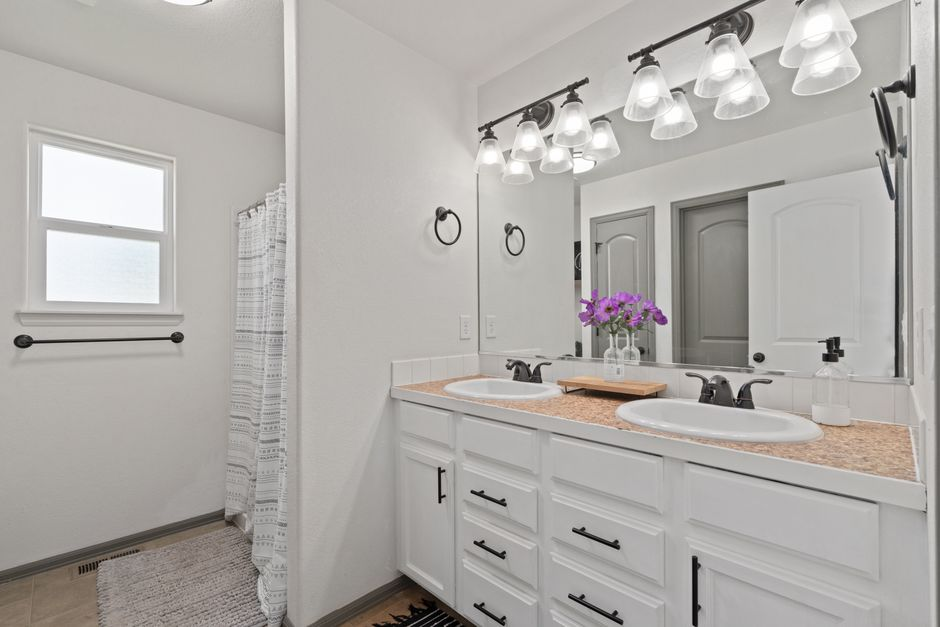
That changes quickly when porous materials are involved. Drywall, insulation, particleboard cabinetry, baseboards, caulking transitions, subfloor layers, and the back sides of vanities can all hold moisture long after the surface looks normal. Once mold is tied to damp materials instead of just a surface film, the job is no longer about scrubbing what you can see. It becomes a moisture investigation.
We are careful here not to pretend there is one magic cutoff that applies to every property. What we look for instead is pattern and context. Did this appear after a leak that may not have been fully dried? Has the same area been painted, caulked, or cleaned before, only to come back? Does the room smell stronger when the HVAC runs or when doors have been closed? Those are the kinds of details that push the situation out of DIY territory.
Cleanup vs. remediation: the difference that matters
Many people use “mold cleanup,” “mold removal,” and “mold remediation” as if they mean the same thing. In practice, they do not.
| If the job is mainly… | What it usually means |
|---|---|
| Cleanup / surface removal | Addressing visible mold on a small, dry, non-porous surface after the moisture source has been fully corrected. |
| Remediation | Finding and correcting the moisture source, checking hidden spread, setting containment, using HEPA filtration or negative air when needed, removing unsalvageable porous materials, cleaning salvageable materials, drying the area, and reducing the chance of recurrence. |
That distinction is why a small visible patch can still require a professional response. Cleanup deals with what you can see. Remediation deals with why it happened, where it traveled, what materials were affected, and how to keep the problem from coming back.
Porous vs. non-porous materials: why the surface matters
This is one of the fastest ways to judge whether a “small patch” may be more than a simple cleaning issue.
| Material type | Examples | Why it matters |
|---|---|---|
| Non-porous or hard, cleanable surfaces | Tile, glass, metal, sealed stone, some finished plastics | If the area is small, dry, and the moisture source is fixed, limited cleanup may be possible. |
| Semi-porous or vulnerable finishes | Wood trim, caulk lines, painted surfaces, cabinet finishes | Surface appearance can hide deeper moisture or growth below the finish. |
| Porous materials | Drywall, insulation, carpet pad, particleboard, MDF cabinetry, ceiling texture, cardboard, some subfloor layers | These materials absorb water and often need professional evaluation, drying, cleaning, or removal if mold is established. |
What tells us the problem has moved beyond DIY
The strongest warning signs are not always dramatic. In many Los Angeles properties, escalation looks subtle at first: a recurring musty odor, a cabinet toe-kick that feels soft, a ceiling seam that keeps staining, or a wall shared with a bathroom, laundry line, or neighboring unit that never seems fully dry. When the underlying moisture path is still active or was never properly addressed, surface cleaning usually delays the real fix.
- The mold returns after cleaning, repainting, or caulking.
- You smell mold even where little or nothing is visible.
- Drywall, trim, cabinetry, or flooring feels damp, swollen, soft, or warped.
- The original leak source is not confirmed, or may involve plumbing, roofing, AC condensate, or a wall cavity.
- The area sits near shared walls, ceilings, or HVAC pathways.
- Tenants, neighboring units, or multiple rooms are involved.
- The affected area is larger than about 10 square feet, or the visible patch may only be the edge of a larger hidden area.
- Flooding, standing water, or wet materials remained in place for roughly 24 to 48 hours or longer.
- Sewage, gray water, or other contaminated water may be involved.
- Occupants include infants, older adults, or people with asthma, allergies, compromised immune systems, or other health vulnerabilities.
- The odor gets stronger when the HVAC system runs, suggesting air movement may be spreading contamination.
If several of those are true, we would not treat the situation as a simple wipe-down problem. We would treat it as a restoration issue tied to moisture, materials, and spread paths. That is especially true when the visible growth is only at the edge of a larger stain or when odor seems out of proportion to what you can see.
This is why readers searching for mold removal services in Los Angeles are often really dealing with a moisture problem first. Mold is the signal. The deeper question is where the water went, what materials stayed wet, and whether disturbing the area without containment will make cleanup and documentation harder.
Quick decision guide: cleanup or call a pro?
| Situation | DIY possible? | Call a pro? |
|---|---|---|
| Small spot on shower tile, no odor, no leak history | Sometimes, yes | If it keeps returning despite ventilation and cleaning |
| Mold on painted drywall or ceiling after a leak | Usually not ideal | Yes, especially if staining, softness, or odor is present |
| Under-sink cabinet backing or particleboard swelling | Rarely | Yes, because cabinetry often traps hidden moisture |
| Musty odor with little or no visible mold | No clear DIY target | Yes, hidden growth or dampness may be present |
| Mold near HVAC return, vent, or closet tied to AC condensation | Not recommended | Yes, because air movement can complicate spread |
| Area larger than about 10 square feet, or repeated after prior DIY attempts | No | Yes |
What to do right away to protect the home and the paper trail
If you suspect the problem has crossed into remediation territory, the first goal is not aggressive cleaning. It is stabilization. We want to reduce the chance of spread, preserve evidence of the condition, and avoid doing cosmetic work that hides the pattern before the right inspection begins.
Start by taking clear photos and short videos of the visible mold, surrounding stains, wet materials, warped surfaces, and anything that helps show location and scale. Include wide shots of the room and close shots of the damage. If there was a leak, condensation issue, or overflow, document that too. If damaged contents are involved, photograph them before moving or discarding anything unless they pose an immediate safety concern.
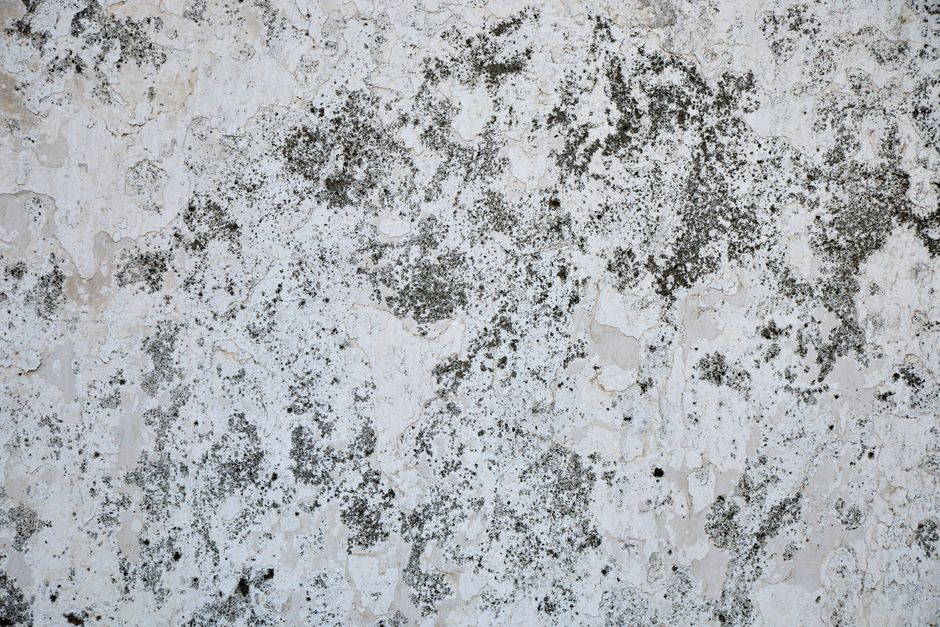
Next, stop the obvious moisture source if you can do so safely. That may mean shutting off a fixture supply, stopping use of a shower, placing a container under an active drip, or turning off an HVAC zone that seems to be driving odor through the space. If the source may be in a wall, ceiling, roof assembly, or neighboring unit, avoid guessing. An incorrect repair assumption can waste time while moisture continues behind the scenes.
Then resist the common urge to make it look better fast. Do not sand, scrape, dry-brush, or cut into suspect materials just to “see how far it goes.” Do not paint over staining. Do not run the system as usual if you suspect return-air or duct pathways are carrying odor from the affected zone. And do not throw away everything right away if you may need to show what was affected and where.
If the issue appears tied to an active or recent leak, our water damage restoration process often overlaps with the mold response because drying, moisture mapping, and source control come before any honest claim that the problem is solved.
What a real remediation team should do before major cleanup begins
One of the best ways to know whether you should call now is to understand what competent first response actually looks like. A real mold remediation visit should not begin with somebody casually spraying a product and calling it done. We begin by asking what fed the mold, where moisture may have traveled, what materials are involved, and whether the area needs containment before anyone starts disturbing it.
First comes source and moisture assessment. We want the history of the leak or humidity issue, the rooms that share walls or ceilings, the age of the damage if known, and any prior repairs or repainting. Then we inspect for visible spread and likely hidden migration points such as vanity backs, baseboard lines, cabinet interiors, wall cavities, ceiling seams, flooring edges, and adjacent rooms.
After that, the job should be organized around control. If materials may release contamination when disturbed, the affected area should be isolated appropriately before tear-out or removal starts. That protects cleaner parts of the home and helps keep a small problem from becoming a wider one because somebody rushed.
Only then does material-level decision-making begin. Some components can be cleaned if they are non-porous and truly surface-affected. Others need removal because they stayed wet, are degrading, or are supporting growth within the material itself. At the same time, the area should be dried correctly so the remediation is not undone by lingering moisture.

- Confirm or isolate the moisture source.
- Document visible conditions and affected materials.
- Check for hidden dampness and spread paths.
- Set containment before disturbing suspect materials.
- Remove or clean materials based on what is actually affected.
- Dry and monitor so the problem does not return immediately.
This is the standard we aim to bring through our restoration services in Los Angeles: moisture first, containment before disruption, and a process built around protecting the property instead of chasing appearances.
What a complete mold remediation process usually includes
Competent remediation is more than demolition and more than spraying chemicals. Depending on the property and the extent of damage, a professional process often includes steps aligned with common industry expectations from organizations such as the EPA, CDC, IICRC, and ACGIH.
- Inspection and moisture detection: visual assessment, moisture meters, thermal clues where appropriate, and review of leak or humidity history.
- Containment: isolating the affected area so disturbance does not spread contamination to cleaner parts of the property.
- HEPA air filtration and, when needed, negative air pressure: using HEPA-filtered air scrubbers and controlled airflow to reduce airborne spread during work.
- Selective removal of unsalvageable porous materials: drywall, insulation, carpet pad, particleboard, or other materials that stayed wet and cannot be reliably restored.
- Cleaning of salvageable materials: detailed cleaning of remaining structural surfaces and contents as appropriate.
- Drying and dehumidification: bringing materials back to acceptable dry conditions and monitoring progress.
- Repairs and restoration: rebuilding removed sections once the area is dry and stable.
- Post-remediation inspection or verification: confirming the area is clean, dry, and ready for normal use; in some projects this may include third-party clearance or post-remediation verification.
Not every small job needs every step at the same scale. But if a contractor skips straight past moisture detection, containment, HEPA filtration, or drying on a clearly water-damaged area, that is a sign the response may be too cosmetic.
Why Los Angeles homes make small mold less simple than it looks
Los Angeles properties have their own patterns. In older homes, repeated patch repairs can leave moisture histories hidden behind fresh paint. In condos, duplexes, and small apartment buildings, a leak may originate in another unit or travel through a shared wall before anyone connects the dots. In homes with heavy AC use, condensation can keep feeding a closet wall, ceiling corner, or window-adjacent area long after the original symptom was dismissed.
Cabinetry is another common trap. Under-sink spaces and vanity interiors can look lightly affected from the front while the back panel, toe-kick, wall face, or flooring transition tells a different story. The same goes for ceiling stains below bathrooms or rooflines: what appears to be an isolated ring can be the visible edge of a broader damp area.
HVAC can also complicate what should be a local problem. We are not talking about every musty smell automatically meaning system-wide contamination. But if odor strengthens when the system runs, or if a return path connects the affected zone to other rooms, faster professional assessment makes sense because air movement can turn a contained issue into a more disruptive one.
Tenant-occupied properties add another layer. If access is limited, the source may be above, next door, or in a mechanical area the occupant cannot inspect. Documentation, communication, and containment matter more in those settings because delay can affect not only one unit, but neighboring spaces and shared assemblies. For owners and managers, our commercial property restoration services are often relevant when mold concerns intersect with occupied units, common walls, or business interruption pressure.
Mistakes that make mold problems and claims harder
The most expensive mold mistakes usually start as understandable shortcuts. People want the smell gone, the stain hidden, and the room usable again. But when the moisture source is still active or the damage is not fully understood, quick cosmetic fixes can complicate both remediation and documentation.
- Painting or sealing over stains before the area is assessed.
- Tearing out materials without first documenting conditions.
- Running normal airflow through a suspect area without thinking about spread.
- Assuming the leak is fixed because the drip stopped.
- Treating recurring mold as a cleaning failure instead of a moisture failure.
- Using bleach as if it solves mold inside porous materials; it may lighten staining on some hard surfaces, but it does not replace source control, removal of damaged porous materials, and proper drying.
If you are already seeing recurrence, or if the situation followed storm intrusion or roof issues, the smarter move is not another round of cosmetic cleanup. It is to investigate the moisture path and address the affected materials correctly. That is the point where calling for 24/7 professional help is usually the most protective next step for the property.
What happens after remediation—and how to help prevent recurrence
Even a well-executed remediation can be undone if the moisture conditions that fed the problem are allowed to return. Prevention is not glamorous, but it is what protects the work.
- Fix plumbing leaks, roof intrusions, shower seepage, and condensate issues completely.
- Dry wet materials quickly; the common 24 to 48 hour window matters because prolonged dampness increases the chance of growth.
- Use ventilation in bathrooms, laundry areas, and kitchens.
- Control indoor humidity and address chronic condensation.
- Monitor repaired areas for returning odor, staining, or softness.
- Keep cabinetry, wall bases, and under-sink areas from staying chronically damp.
In other words, remediation removes or corrects the affected materials and contamination, but prevention depends on keeping the building dry afterward.
Questions we hear when the mold still looks small
How big is too big to clean yourself?
A commonly cited threshold is about 10 square feet. Under that size, limited cleanup may be possible if the material is non-porous, dry, and the moisture source is fully resolved. Once the area is larger, hidden, recurring, tied to porous materials, or connected to water damage, professional remediation is usually the safer path.
Can I just clean the visible mold and watch it?
If the issue is truly limited to a dry, non-porous surface and there is no sign of ongoing moisture, that may be reasonable. If the smell persists, the area returns, or the material is porous or damp, watching it usually means the real problem is still in place.
Should I cut out drywall to see how bad it is before calling?
Usually no. Opening suspect materials without a plan can spread contamination, make the affected area larger, and erase useful evidence about how the damage presented. It is better to document what you see and let the response be organized around containment and moisture assessment.
What if the leak happened weeks ago and everything seems dry now?
That is exactly when hidden damage gets missed. Materials can feel normal at the surface while moisture remains deeper in the assembly or while secondary growth continues in a wall, cabinet cavity, or ceiling pocket. If mold has appeared after the fact, the drying question is still open until proven otherwise.
Does a musty smell without much visible mold matter?
Yes, because odor can show up before the full extent becomes visible. We take that seriously when the smell is tied to a recent leak, recurring stain, HVAC operation, or an area with known moisture exposure such as bathrooms, closets, ceilings, and under-sink cabinetry.
Should mold be tested?
Not every small mold issue needs testing. In many cases, visible mold plus a known moisture source is enough to justify corrective action. Testing can be more useful when the source is disputed, hidden contamination is suspected, clearance documentation is needed, or a third-party post-remediation verification is appropriate.
Does bleach kill mold?
Bleach is often overestimated. It may help clean some hard, non-porous surfaces, but it does not solve mold growth inside porous materials and it does not fix the moisture source. That is why bleach is not a substitute for proper remediation.
Can you stay in the house during remediation?
Sometimes yes, sometimes no. It depends on the size and location of the affected area, whether containment and negative air pressure can isolate the work zone, whether HVAC pathways are involved, and whether anyone in the home is medically vulnerable. Small contained projects may allow partial occupancy, while larger or more disruptive projects may not.
How long does remediation take?
It varies. A limited, well-defined area may take a day or two of active work plus drying and follow-up. Larger projects involving hidden moisture, demolition, drying, and reconstruction can take longer. The timeline depends more on moisture conditions and material damage than on the visible patch alone.
Can mold be completely removed?
The realistic goal is to remove mold growth from affected materials, clean salvageable surfaces, and return the area to a normal, dry condition. In real buildings, the lasting solution is not just “killing mold.” It is correcting the moisture conditions that allowed it to grow.
If the patch looks small but the story around it does not, trust the bigger story. Recurrence, odor, damp materials, shared walls, ceiling staining, uncertain moisture sources, contaminated water, and HVAC involvement are all signs that the job may have moved past simple cleanup. When that happens, bringing in a team for a moisture-focused assessment and professional remediation is the most reliable way to protect the home, limit spread, and avoid covering up a larger problem that is still active.
Need Professional Mold Remediation in Los Angeles?
When mold is recurring, odor is lingering, or drywall and cabinetry may still be wet, fast professional response matters. Blue Waves Restoration provides 24/7 certified remediation and moisture-focused restoration to help protect your home and documentation.


