
Don’t Wait on the Adjuster: The Right First Steps After Flood Damage

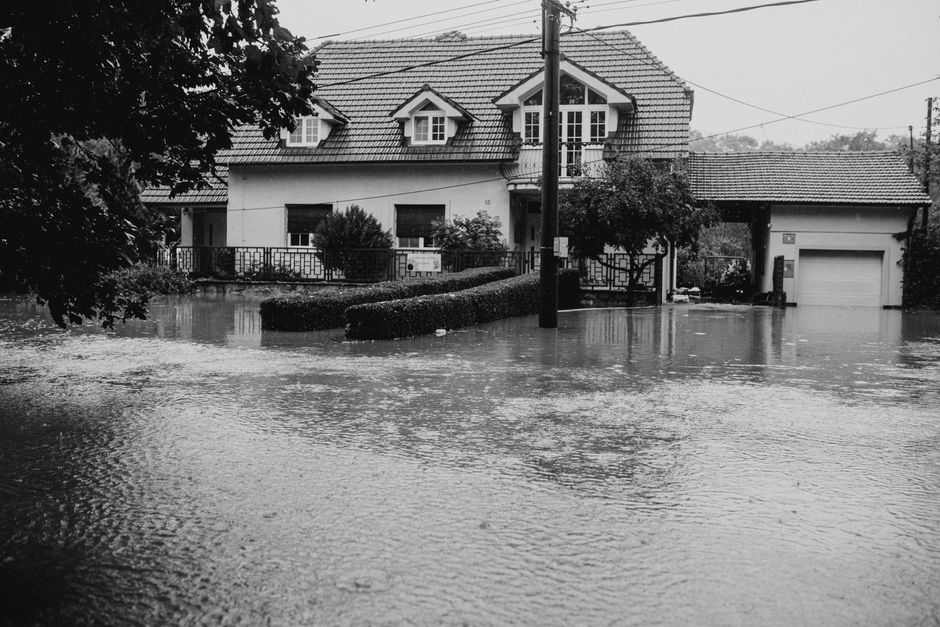
Floodwater has finally gone down enough for you to step back inside. Your phone is in your hand, the hardwood is dark and cupping, drywall feels soft near the baseboards, and boxes in the garage are already sagging. We see homeowners freeze at this exact point because the pressure comes from both directions at once: if you wait, the damage spreads; if you start cleaning, will the insurance company say you destroyed the evidence?
In most cases, that is a false choice. You usually do not need to wait for the adjuster before beginning emergency flood damage restoration, as long as the response is safety-first, well documented, and limited to mitigation rather than jumping ahead to permanent repairs. The goal is to protect the home from secondary damage while preserving a clear record of what happened.
Blue Waves Restoration provides 24/7 emergency water damage response in Los Angeles. If your home is safe to enter but you’re unsure how to document the loss and start mitigation correctly, our team can help you take the next step fast.
The first-day order that keeps both the house and the claim on track
When we help Los Angeles homeowners after flooding, we think in sequence. First, make sure entry is safe. Then document what you see before moving much of anything. Notify the insurer promptly. After that, begin emergency mitigation to remove standing water, reduce contamination risk, and start drying. Inspection and moisture tracking continue as materials are evaluated. Repairs and reconstruction come later, once the loss is understood and the property is stabilized.
That order matters because wet materials do not pause while paperwork catches up. Hardwood, lower cabinets, insulation, baseboards, contents in garages, and shared-wall assemblies can keep absorbing water. In neighborhoods across Pasadena, Burbank, Santa Monica, the Valley, and elsewhere in Los Angeles, response delays after heavy rain are common. A same-day plan helps prevent a manageable loss from turning into a much larger one.
What to do the same day after it is safe to enter
Start with safety, not salvage
If the home may have electrical hazards, structural damage, sewage contamination, or fast-moving water nearby, do not treat this like a normal cleanup job. Floodwater can carry debris, bacteria, and other contaminants, and hidden damage is common in soaked flooring systems, drywall cavities, and lower-level spaces. If local authorities, the utility company, or emergency responders have restricted entry, follow that guidance first.

Once safe entry is possible, do a careful walk-through rather than rushing to pick things up. We recommend noticing room conditions before trying to “tidy” them: water lines on walls, mud residue, warped flooring, collapsed contents, affected furniture legs, swollen doors, and staining in garages or storage rooms all help tell the story of the loss.
Document before you move much
Take wide shots of each room first, then closer photos and video of damaged materials and contents. Open closets, pan slowly across flooring transitions, and capture water marks on drywall, cabinets, and doors. If appliances, stored items, or furniture are affected, record them where they are before relocating them for safety or drying.
This step is one reason professional help can make such a difference. A restoration team can support the emergency response while preserving the condition record the claim may depend on. At Blue Waves Restoration, our water damage restoration services are built around that same principle: move quickly, but leave a trail of proof.
Notify the insurer early
Once the basic photo and video record exists, contact your insurer as soon as you reasonably can. You do not need a perfect inventory before making that first report. What matters is opening the claim, describing the event clearly, and asking what documentation they want you to continue collecting. Keep notes on the date, time, claim number, and the names of anyone you speak with.
If the water appears to be true floodwater that entered from rising water or surface water moving across the ground, the claim path may differ from other water losses. If it came from something like a roof opening, plumbing failure, or another source, a different policy may apply. We cannot promise coverage outcomes, but we can say this distinction matters, and it is worth describing the source carefully from the start.
Begin emergency mitigation once the scene is documented
After you have basic evidence in place and the insurer has been notified, waiting too long to remove water and start drying can create bigger problems. Emergency mitigation may include extracting standing water, setting drying equipment, removing unsafe wet materials, and isolating affected areas. Those steps are about limiting ongoing damage, not erasing evidence.
That is why many homeowners call for 24/7 restoration help before an adjuster visit has happened. The adjuster’s inspection is important, but so is reducing secondary damage from prolonged saturation, contamination, and hidden moisture. Fast mitigation and clear records usually work together better than delay and worsening conditions.
The distinction that clears up most confusion
Emergency mitigation is not the same as permanent repair
This is the part many people are not told clearly enough. Flood damage restoration in the first phase is about stabilization: removing water, identifying what got wet, checking moisture levels, preventing microbial growth, and making the structure safer and drier. It is not the same thing as deciding the final reconstruction scope, choosing finishes, or rebuilding everything immediately.
For example, extracting water from soaked hardwood, removing unsalvageable baseboard, opening up badly saturated drywall when needed, and placing air movers or dehumidifiers are mitigation steps. Installing new flooring, rebuilding walls, repainting, or replacing cabinetry is repair work that usually comes later. The first category helps preserve the property. The second changes it permanently.
That distinction is one reason homeowners often do not need to wait for the adjuster to begin flood damage restoration. Starting mitigation is usually about preventing the loss from getting worse. Permanent reconstruction decisions can follow after the damage has been assessed, documented, and discussed through the claim process. If rebuilding is needed later, that transition should be organized, not rushed; for that phase, a licensed team with reconstruction capability, including home remodeling support, can help carry the project forward once the emergency has been stabilized.
What good documentation looks like in practice
Good records do more than prove that damage existed. They help explain why drying decisions were necessary, what materials were affected, and what was done to reduce additional loss. In a flood situation, especially one involving contaminated water, clear documentation can also show why certain materials could not reasonably be saved.
- Wide and close-up photos of every affected room before major cleanup
- Video walkthroughs showing water lines, flooring condition, cabinets, walls, and contents
- Room-by-room notes on what was wet, how high the water reached, and what smelled or felt affected
- Lists of damaged personal property, including approximate age and condition if known
- Moisture readings and drying logs from the restoration process
- Receipts, call logs, emails, and any saved samples of discarded materials when practical
We also encourage homeowners not to throw away everything immediately unless materials are unsafe to keep inside. If something must be discarded due to contamination or deterioration, photograph it first. In some cases, retaining a small labeled sample of affected flooring, drywall, or insulation can help preserve the record of what was removed and why.
Why the source of the water changes the insurance path
In plain English, “flood” does not always mean the same thing people mean in everyday conversation. If water came from outside and rose from the ground into the home, that may be treated differently from rain entering through storm-created openings, plumbing failures, appliance leaks, or drain backups. Homeowners are often surprised by this, especially after major weather events when all of it feels like one disaster.
That does not mean you should delay action while trying to solve a policy question on your own. It means your description of the event should be careful and factual. Say where the water appeared to come from, when you noticed it, whether it passed through the garage or lower level first, and what materials it touched. If storm damage is part of the story, that can matter too; our storm damage repair team often sees losses where exterior weather damage and interior water intrusion both need to be documented clearly.
Because coverage language varies, avoid assuming that a claim will or will not be covered based on a quick internet answer. The better move is to document the source, notify the insurer promptly, and begin protective mitigation so the property does not keep deteriorating while the claim path is clarified.
The mistakes that cause the most trouble
Panic usually creates one of two problems: people do too much too fast without preserving evidence, or they do too little for too long because they are afraid to touch anything. Both can make a flood loss harder and more expensive.
- Entering before the property is actually safe
- Throwing away damaged materials or contents before photographing them
- Tearing out walls or flooring broadly before the loss is documented
- Treating contaminated floodwater like a routine mop-up job
- Running too long without professional drying verification
- Waiting days to start mitigation while materials stay wet
That last mistake is especially costly in Los Angeles homes with hardwood, layered finishes, attached garages, and shared walls. Water that sits can migrate, odors can deepen, and mold risk can increase. If mold concerns emerge during or after drying, professional mold removal may become part of the recovery plan.
Questions homeowners ask us all the time
Should I wait for the adjuster before starting cleanup?
Usually, no—not if by cleanup you mean emergency mitigation after proper documentation. Once you have a strong photo and video record and have notified the insurer, prompt water removal and drying often help protect both the property and the claim. What you generally want to avoid is jumping straight into permanent rebuilding before the damage is fully evaluated.
What if the floodwater is contaminated?
Treat it as a health issue, not just a drying issue. Floodwater can contain sewage, chemicals, and debris, and some materials may not be safe to salvage. Use caution with personal contact, porous contents, and HVAC exposure. In those cases, professional handling is especially important.
Can I throw damaged items away?
Sometimes you may need to, especially if items are unsafe or unsanitary. But photograph them first, make a brief list, and keep any receipts tied to disposal, cleaning supplies, temporary lodging, or emergency protective steps. The record matters almost as much as the item.
What if I am not sure whether this counts as true flood?
Do not guess. Describe the source carefully and report the loss promptly. Water entering from rising ground water may follow a different insurance path than water from a roof leak, burst pipe, or another interior source. A restoration team can document conditions, but the insurer will determine how the claim is handled under the policy.
What happens after the first day
Once the immediate emergency is under control, the work becomes less visible but just as important. Moisture levels need to be checked again, equipment may need to stay in place, affected materials have to be evaluated for salvageability, and communication with the insurer continues. Some homeowners also need help with temporary housing decisions, contents handling, or planning the handoff from drying to reconstruction.
This is where an organized restoration process really earns its value. We do not see flood damage restoration as just pulling water and dropping equipment. Done correctly, it creates momentum: the home is stabilized, the drying is tracked, the damage is recorded, and the project is ready to move toward repair without losing the paper trail. If you are dealing with a Los Angeles flood loss and need same-day guidance, the fastest next step is to contact Blue Waves Restoration so the emergency response and documentation can start together.
Ready to Start Flood Damage Restoration?
When floodwater has entered your home, every hour matters. Blue Waves Restoration offers licensed, insured, 24/7 service to document the damage, begin mitigation, and help keep your recovery moving in the right order.


